
Inspiring Women
in History & Science
A slow-built archive of women whose work was dismissed, whose pain was minimized, and whose findings reshaped what we now understand about almost everything.
“They paved the way.”
We use the phrase casually now. But pavement is heavy work. It is laid stone by stone, often by women whose names were taken off the project before the road was finished. Some of them were called difficult. Some were called hysterical. Some were paid less than the janitors. Some were murdered by mobs. Many were simply forgotten — and then quietly absorbed into the histories of the men who came after them.
This series is for them.
I am honored to share these stories on ArtfulDesign because every woman alive today is walking on ground these women cleared. The biochemist who took fascia seriously when medicine wouldn’t. The Scottish housekeeper who classified ten thousand stars. The mathematician of Alexandria, killed for thinking too well, too publicly. The painter who hid her abstract canvases for half a century because she knew the world wasn’t ready. The journalist who counted lynchings until America had to look. The diplomat who wrote the Universal Declaration of Human Rights into being. The Kenyan environmentalist who planted thirty million trees and won the Nobel Peace Prize.
Their fields are everything: history, science, mathematics, astronomy, art, sociology, medicine, politics, diplomacy, civil rights, human rights. Their methods were as varied as their domains. The thread that runs through them is this: they did the work whether or not the room was ready to see it. Many of them died before being believed. All of them are believed now.
I write about them here because their lives are part of how I understand my own — and how I understand the work of building something honest, in a world that does not always reward honesty in women.
— Celina
historysciencemathematicsastronomyartsociologymedicinepoliticsdiplomacycivil rightshuman rights
Stories we have begun
The biochemist medicine called a quack.
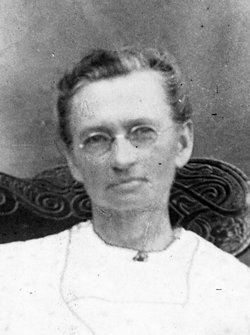
Columbia PhD in biological chemistry, 1920. She refused the diagnosis of psychosomatic when doctors handed it to women in chronic pain — and built Structural Integration around the fascial science medicine wouldn’t take seriously. Vindicated decades later, after her death, by the very establishment that had called her dangerous.
Read her story →
The housekeeper who discovered ten thousand stars.
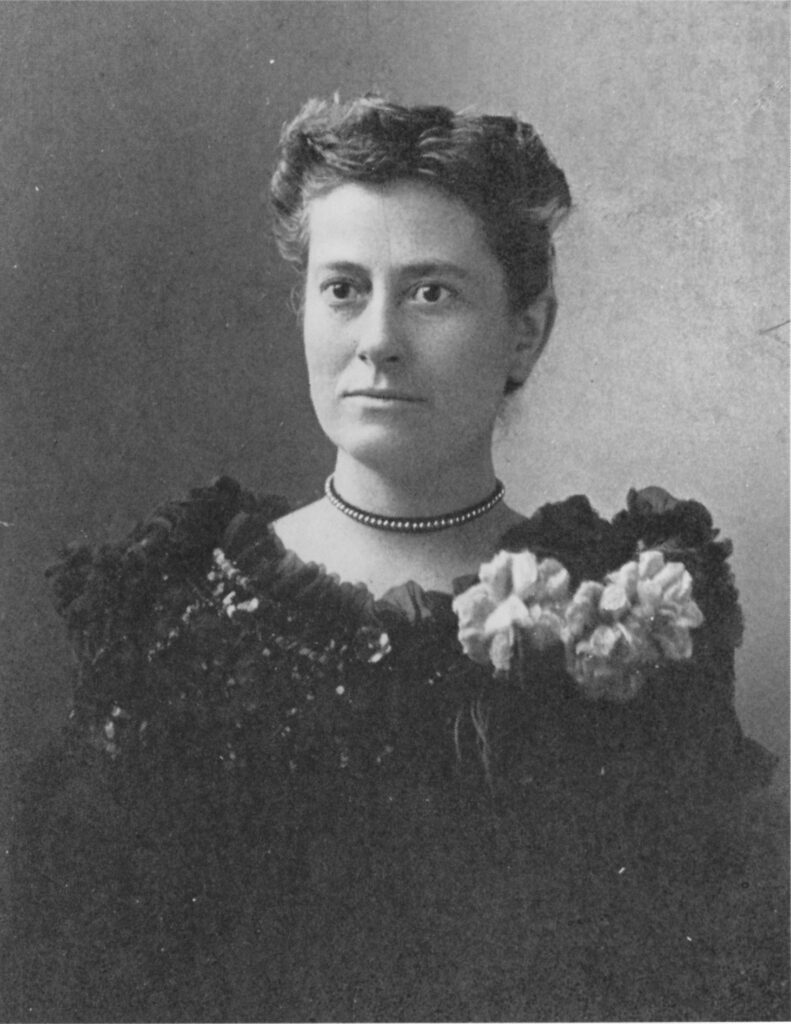
Pickering’s Scottish housekeeper, hired into the Harvard College Observatory in 1881 because — the legend goes — he said his maid could do the work better than his men. She invented the stellar classification system that became the foundation of modern astronomy, found the Horsehead Nebula on a plate in 1888, and was paid less than the Observatory’s janitors for all of it.
Read her story →
More women of Volume I
She measured the size of the universe — and was paid by the hour.
Read her story →The Hollywood star who invented the technology behind Wi-Fi.
Read her story →A medieval abbess wrote the medical texts, the music, and the visions — and made the church listen.
Read her story →The mathematician of Alexandria, killed for thinking too well, too publicly.
Read her story →She painted the first abstract canvases — and asked the world to wait twenty years to see them.
Read her story →She wrote the Universal Declaration of Human Rights into being.
Read her story →She counted lynchings until America had to look.
Read her story →She planted thirty million trees and won the Nobel Peace Prize.
Read her story →She wrote the first computer program a century before there was a computer to run it.
Read her story →She won two Nobel Prizes in two sciences — and died of the work.
Read her story →She read fourth-century Chinese herbalism with a chemist’s eye — and pulled an antimalarial out of an ancient text. Nobel Prize, age 84.
Read her story →The list continues to grow. If a woman comes to mind whose story should be here, tell me about her.
Some women were told their pain was imaginary. Some were told their work was unscientific. Some were told to wait, to rest, to accept. They did the opposite — and the world is still catching up to them.